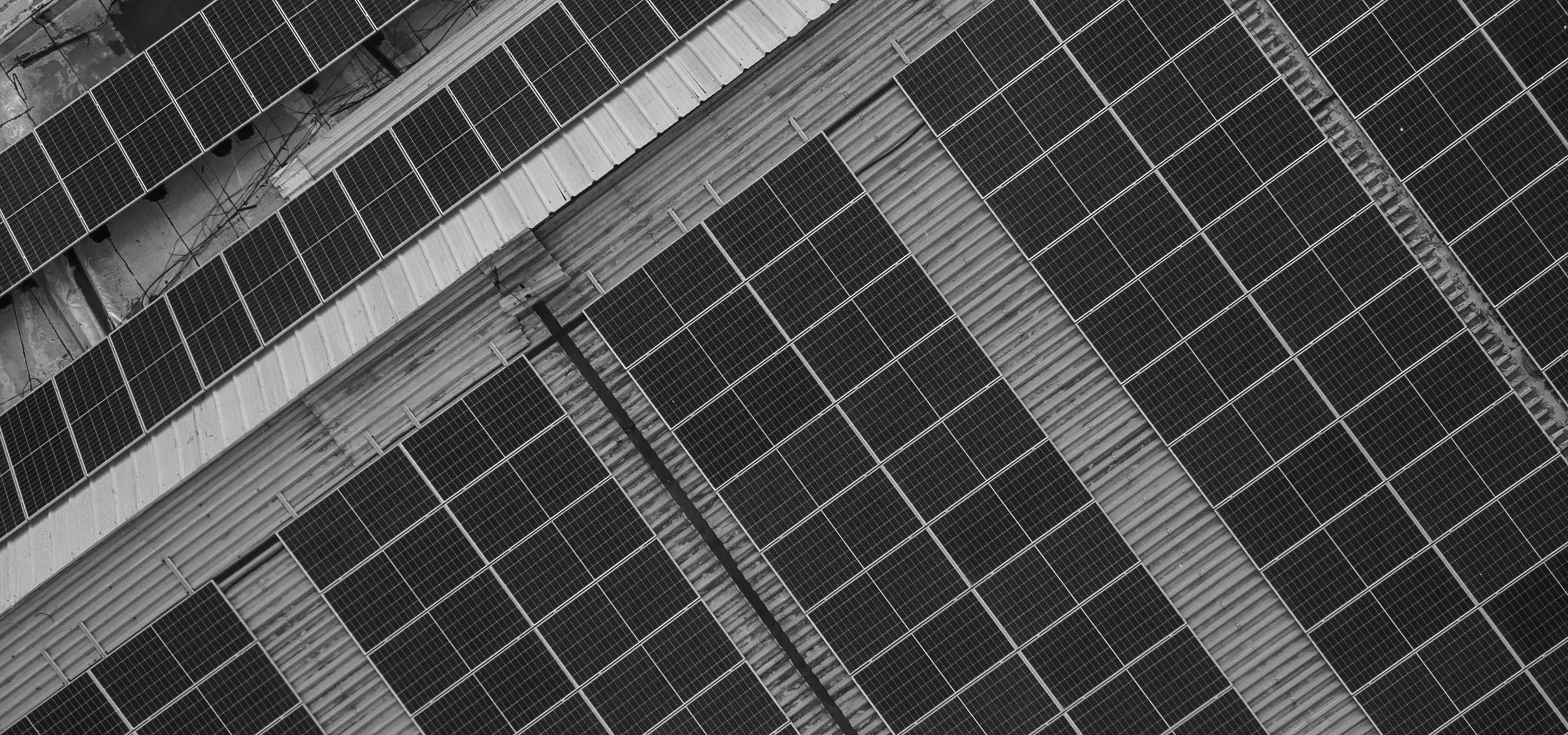
Energy Efficiency
smart city = reduced consumption = high performance = energy efficiency
Energy Efficiency
Energy efficiency reduces consumption, costs and supports sustainability.
Learn moreBuildings & Commercial Spaces
Energy efficiency reduces costs, pollution and increases building comfort.
Learn moreSustainable Development
Energy efficiency represents the central element of the EU transition towards a resource-efficient economy and the fulfillment of Romania's National Strategy for Sustainable Development 2030.
Lighting represents 14% of total electric energy consumption in Europe and 19% of total electric energy consumption worldwide.
The ENERGY EFFICIENCY domain covers the entire spectrum of energy consumption in the urban environment: from high-performance buildings (NZEB, NZEB+, BMS — Building Management Systems) and smart public lighting with telemanagement, to low-emission mobility (electric vehicles, charging infrastructure) and industrial energy optimization solutions. We integrate these technologies into unified projects, aligned with European decarbonization requirements.

Areas of Expertise
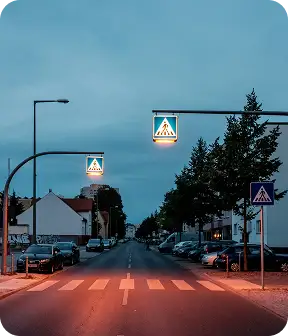
Ecological public lighting with telemanagement
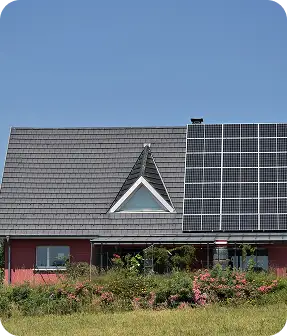
Energy efficiency of public and residential buildings
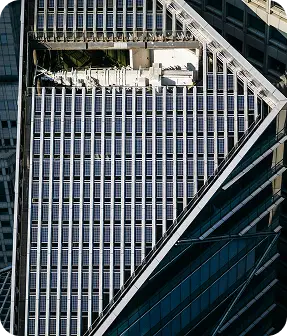
Energy efficiency of commercial spaces and office buildings

Integrated energy consumption management software platforms
Technology-Based
Energy Efficiency
Energy efficiency of buildings is a top priority, given the poor quality of most existing constructions. On the other hand, the costs related to thermal rehabilitation of a building are lower than the costs related to installing additional thermal energy capacity for heating.
In Romania, energy consumption for the population sector is at 40% of the country's total energy consumption.
Low energy consumption devices

Command, control, automation and optimization
Monitoring and decision support systems
European Funds
The Engine of Smart Community Development
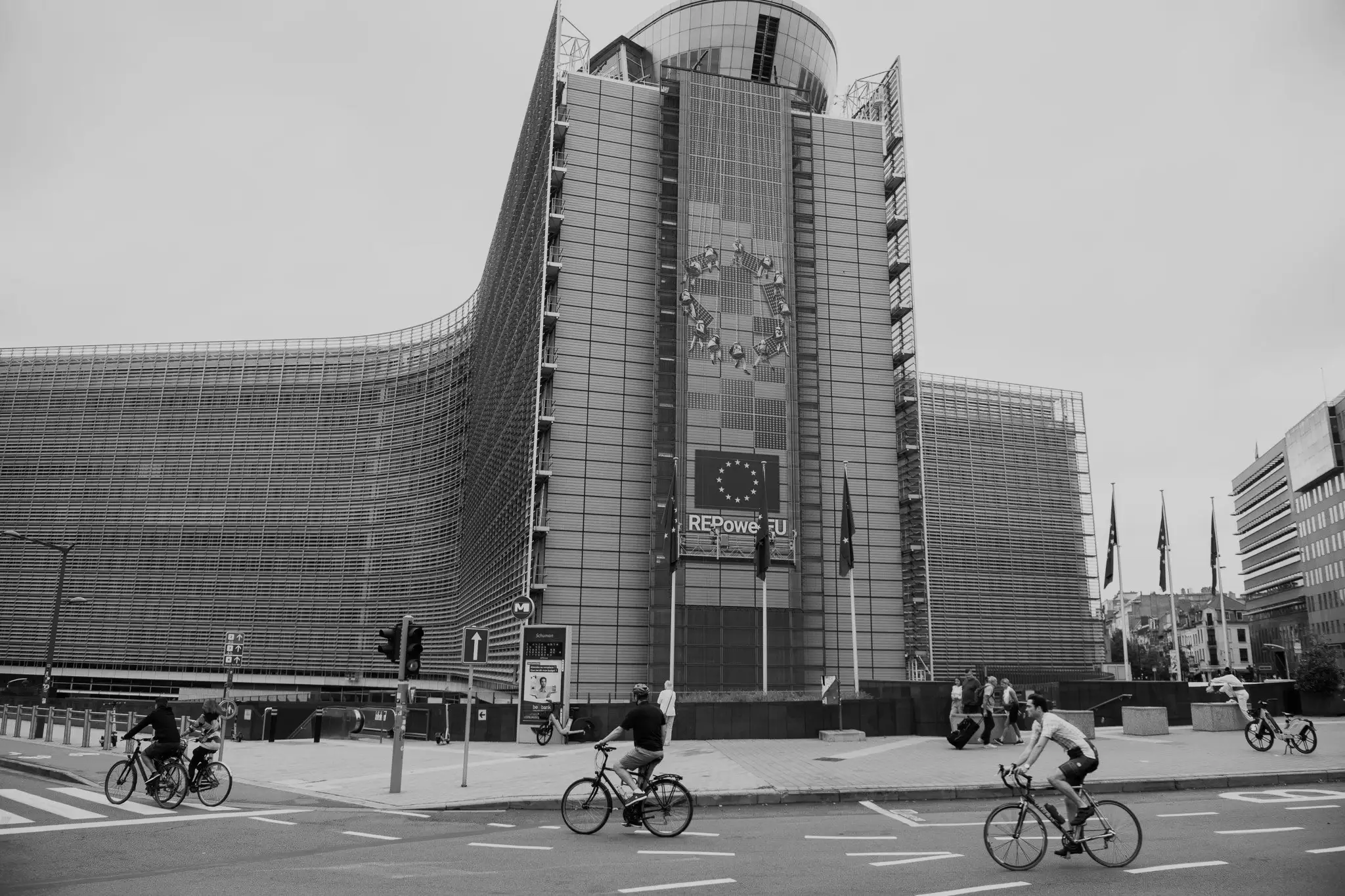
In the period 2021-2030, the European Union will allocate significant amounts for investments in renewable energy production and storage capacities, energy efficiency, modernization and expansion of electricity networks and other energy sectors. The implementation of these projects was planned in the context of the European Union's energy efficiency and decarbonization policies and objectives.
In the period 2021-2030, the European Union will allocate significant amounts for investments in renewable energy production and storage capacities, energy efficiency, modernization and expansion of electricity networks and other energy sectors. The implementation of these projects was planned in the context of the European Union's energy efficiency and decarbonization policies and objectives.
Investments in the energy sector will also be supported through the Operational Programmes (OP) for the 2021-2027 period, with implementation until 2029. In this regard, there are financial allocations through the Just Transition OP (2 billion euros, for the transition to a climate-neutral economy), Sustainable Development OP (4 billion euros, of which approximately 850 million euros for the energy sector) and Regional OPs.
The European Union has committed to leading the energy transition globally, by meeting the objectives set out in the Paris Agreement on climate change, which aims to provide clean energy throughout the European Union.

Financing Solutions for energy efficiency
Energy efficiency projects benefit from dedicated financing solutions. We assist you in accessing operational programmes for thermal rehabilitation and renewable energy.
2030 Objectives

The objective to reduce domestic greenhouse gas emissions by at least 40% by 2030, compared to 1990

The objective for renewable energy consumption of 32% in 2030
The objective to improve energy efficiency by 32.5% in 2030

The objective of electricity market interconnection at a level of 15% by 2030


Lighting Systems
Intelligent ecological lighting with telemanagement. Smart solutions for managing, monitoring and controlling public lighting
Learn moreLighting Systems
Intelligent ecological lighting with telemanagement. Smart solutions for managing, monitoring and controlling public lighting
Learn more
Public Lighting
The effects of public space lighting can make cities and communities more attractive, as well as commercial and cultural centers, highlighting attractive local landmarks or emphasizing the atmosphere during important public events.
Public Lighting Service Development Strategy
Public lighting is essential for road safety, public space safety and the urban atmosphere of a city.
The public lighting service development strategy must have as its main mission the
The Urban Scope team, dedicated to designing
A GOOD PUBLIC LIGHTING PROJECT CAN REDUCE TOTAL COSTS FROM 40% UP TO 70%
Solutions
Smart street lighting
Remote control of lighting fixtures via fiber optic or wireless connections
Centralized management through telemanagement software
LED lighting devices with high energy efficiency
Controllers for encrypted communications and centralized control solutions
Buildings and Commercial Spaces

Urban Scope offers you a
ENERGY CERTIFICATE
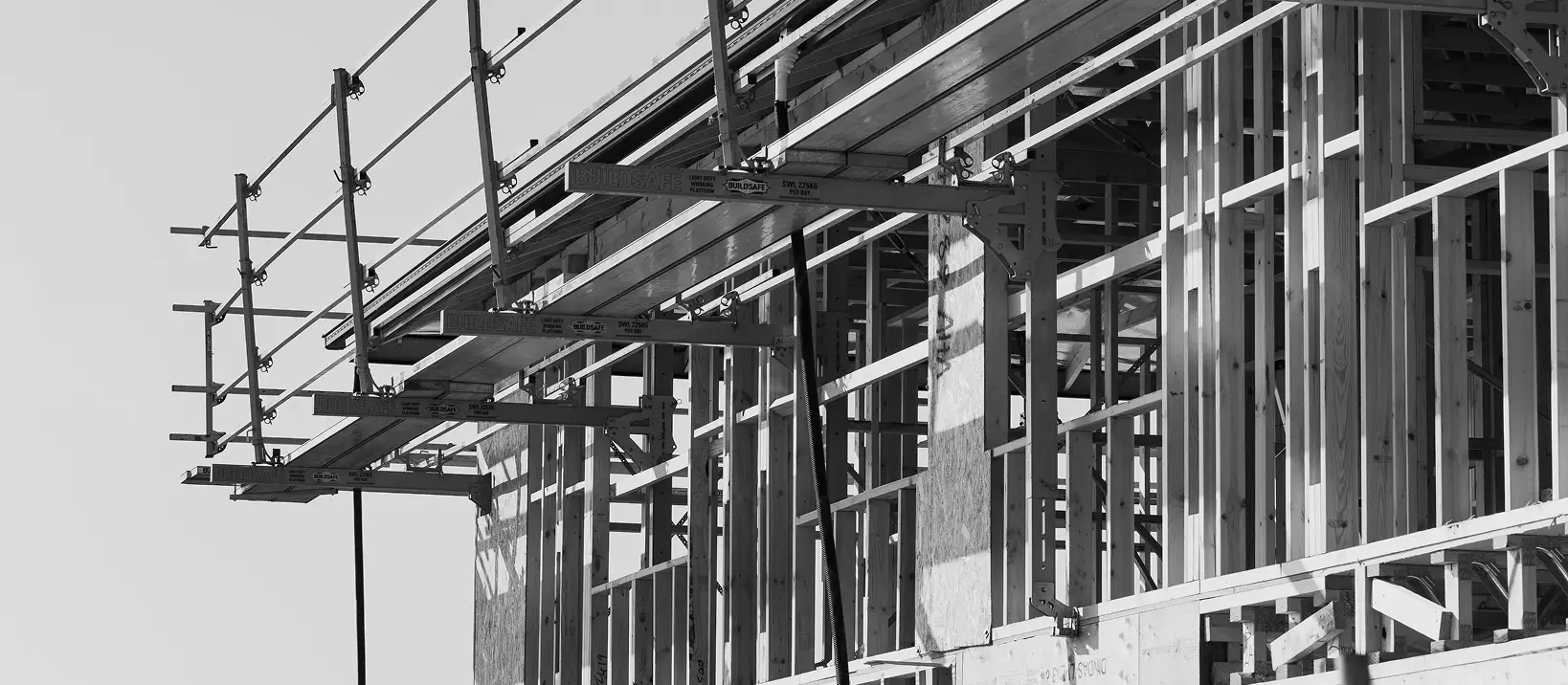
The energy certificate prepared by our specialists provides important data regarding the energy performance of the building such as: insulation system, ventilation system, heating, air conditioning, domestic hot water.

ENERGY AUDIT
The energy audit is the operation that consists in determining the thermotechnical and functional characteristics of buildings and installations, for the purpose of energy evaluation. The energy audit and expertise form the basis for issuing the Energy Performance Certificate.
Urban regeneration integrates energy efficiency
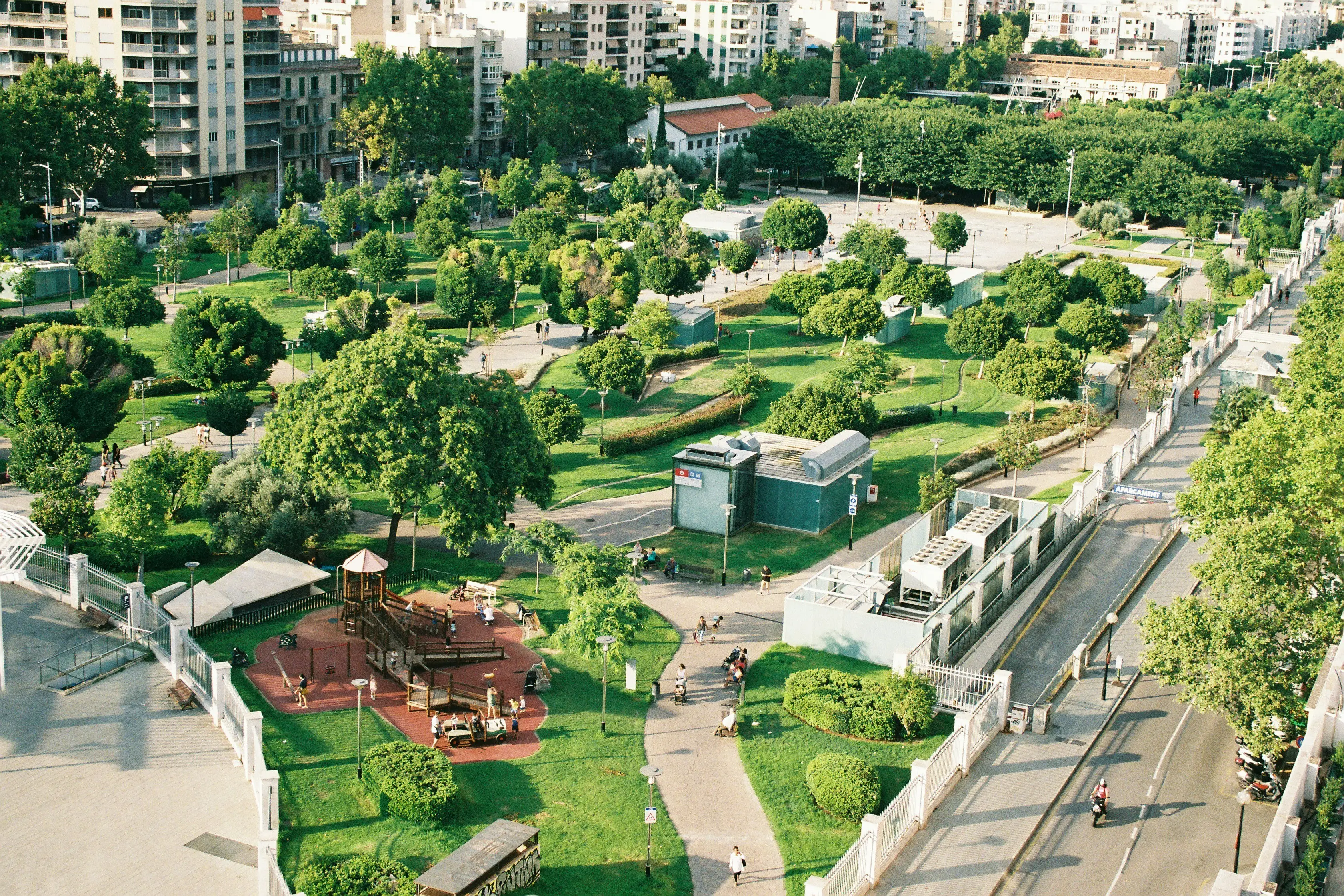
Regeneration projects include essential energy efficiency components — thermal rehabilitation, intelligent lighting systems, and green infrastructure for a sustainable urban environment.
European Funds
The Engine of Smart Community Development

Investments in the energy sector will be supported through the Operational Programmes (OP) for the 2021-2027 period, with implementation until 2029. In this regard, there are financial allocations through the Just Transition OP (2 billion euros, for the transition to a climate-neutral economy), Sustainable Development OP (4 billion euros, of which approximately 850 million euros for the energy sector) and Regional OPs.
Another source of funding for energy efficiency projects is the energy efficiency programme for public buildings, managed by the Environmental Fund Administration. With a total budget of 280 million euros in the current year, this programme is addressed to local administrative units.
Improving the
Using
Implementation of
Replacing fluorescent and incandescent lighting fixtures with
Any other activities that lead to the fulfillment of
Development of