Urban Mobility
Urban mobility involves modern transport solutions including non-polluting solutions under conditions of efficiency and safety. Urban Scope experts propose an integrated approach to transport networks with design in a modular manner, compatible with the existing road network.

Traffic Management


Public Transport


Road Systematization

Alternative Mobility



Parking Systems

Urban Mobility
Urban mobility involves modern transport solutions including non-polluting solutions under conditions of efficiency and safety. Urban Scope experts propose an integrated approach to transport networks with design in a modular manner, compatible with the existing road network.
Traffic Management
Public Transport
Road Systematization
Alternative Mobility
Parking Systems
Urban Mobility
Urban mobility involves modern transport solutions including non-polluting solutions under conditions of efficiency and safety. Urban Scope experts propose an integrated approach to transport networks with design in a modular manner, compatible with the existing road network.
Traffic Management
Public Transport
Road Systematization
Alternative Mobility
Parking Systems
Public Transport
Urban Scope is actively involved in developing modern transport concepts.
Increasing urban and interurban mobility are main themes of the European Union, thus, the implementation of urban transport and alternative systems represents funding priorities in the current European Union exercise.
The strategic approach in planning urban transport is carried out based on the principles of integration, participation and evaluation in order to meet the mobility needs of people and institutions or companies in the city and metropolitan area, for improving quality of life.

Planning in the Field of Public Transport

Sustainable Urban Mobility Plans
Transport Master Plan for Metropolitan Areas
Master Plan for Introducing Intermodality in Transport Solutions
Strategies for Improving
Public Transport
Performance
Fundamentation Studies
Opportunity Studies
Traffic, Passenger and Integrated Management Studies
Studies on Alternative Mobility Solutions
Integrated Transport Solutions
Fleet sizing and optimal propulsion type
Depot location
Station location
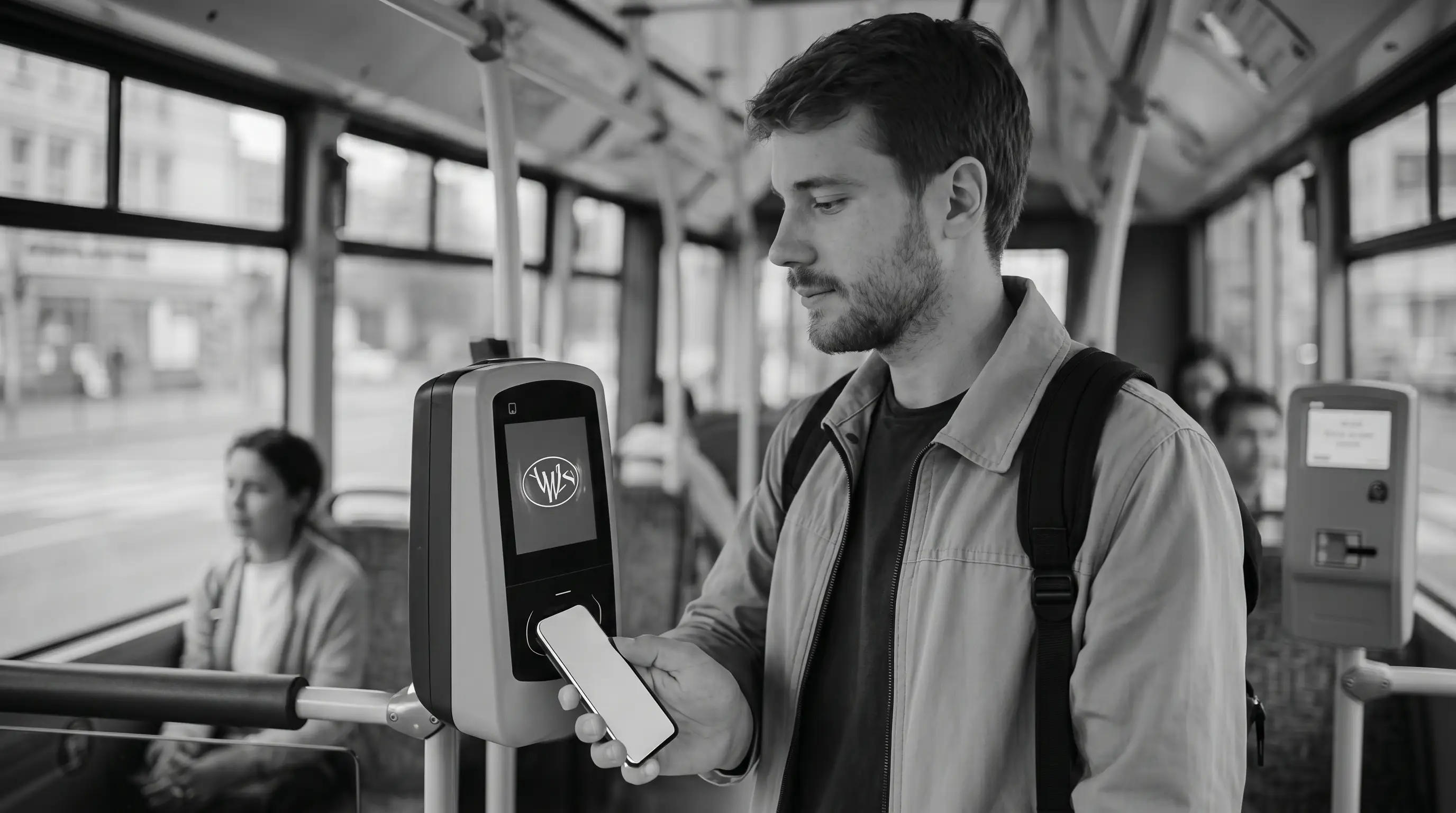
Electronic ticketing (e-Ticketing)
Passenger information
Benefits
Reduction of carbon emissions.
Increased passenger safety.
Switching from car transport to public transport.
Cost reduction and encouraging the implementation of circular economy concepts.
Increasing the quality and attractiveness of public transport services.

Road Systematization
A properly designed and structured urban street network through ensuring intermodality of public transport solutions can bring real immediate benefits both economically and socially, as well as in terms of improving environmental factors, with consequences including population health levels.
Urban Planning and Preliminary Analysis
Integrated approach to transport networks
Design
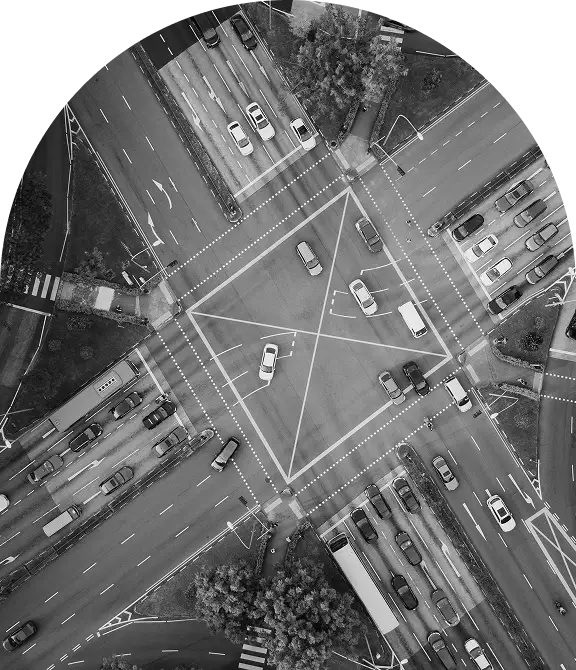
Road systematization of urban/metropolitan infrastructure
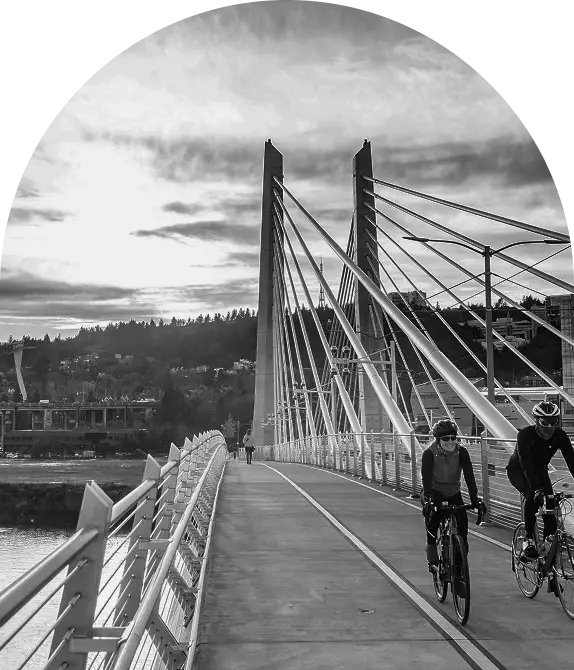
Road, pedestrian or cycling bridges and passages
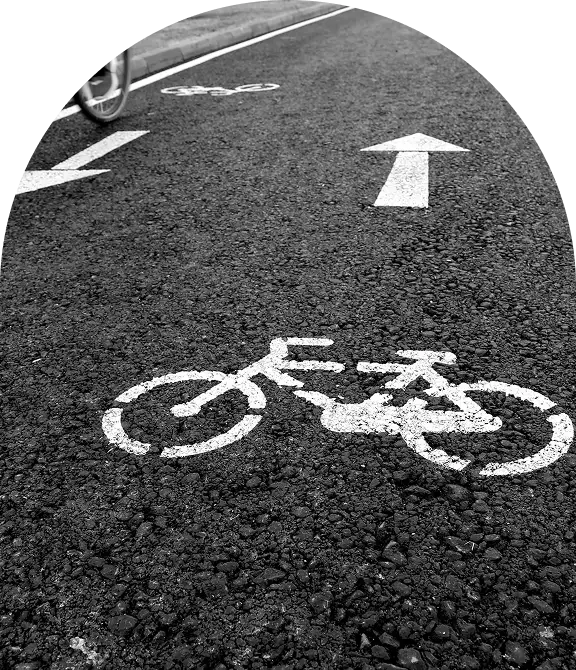
Alternative mobility, bicycle lanes and bike sharing systems
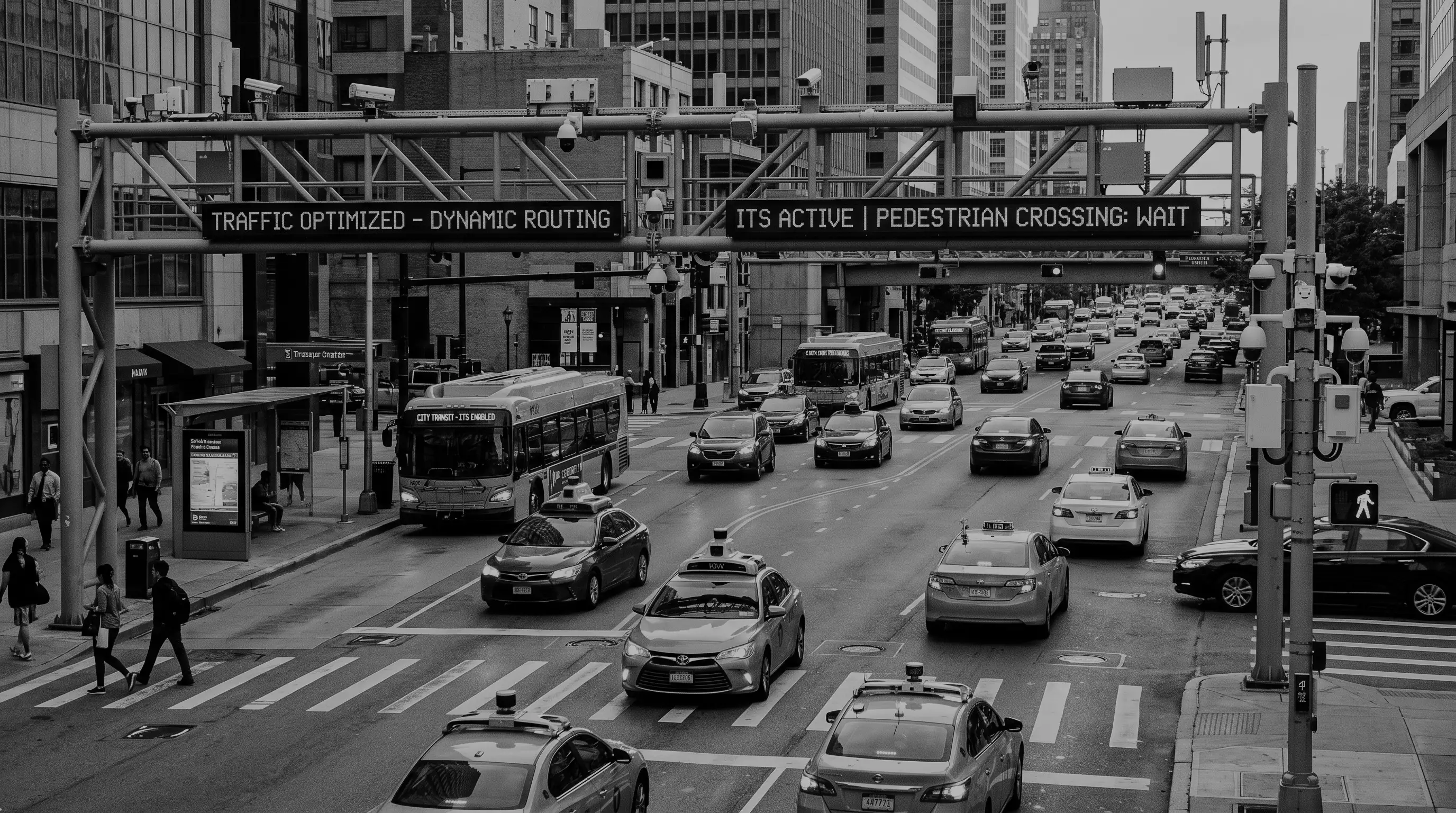
ITS - Intelligent transport systems, e-ticketing, fleet management, MaaS platforms.
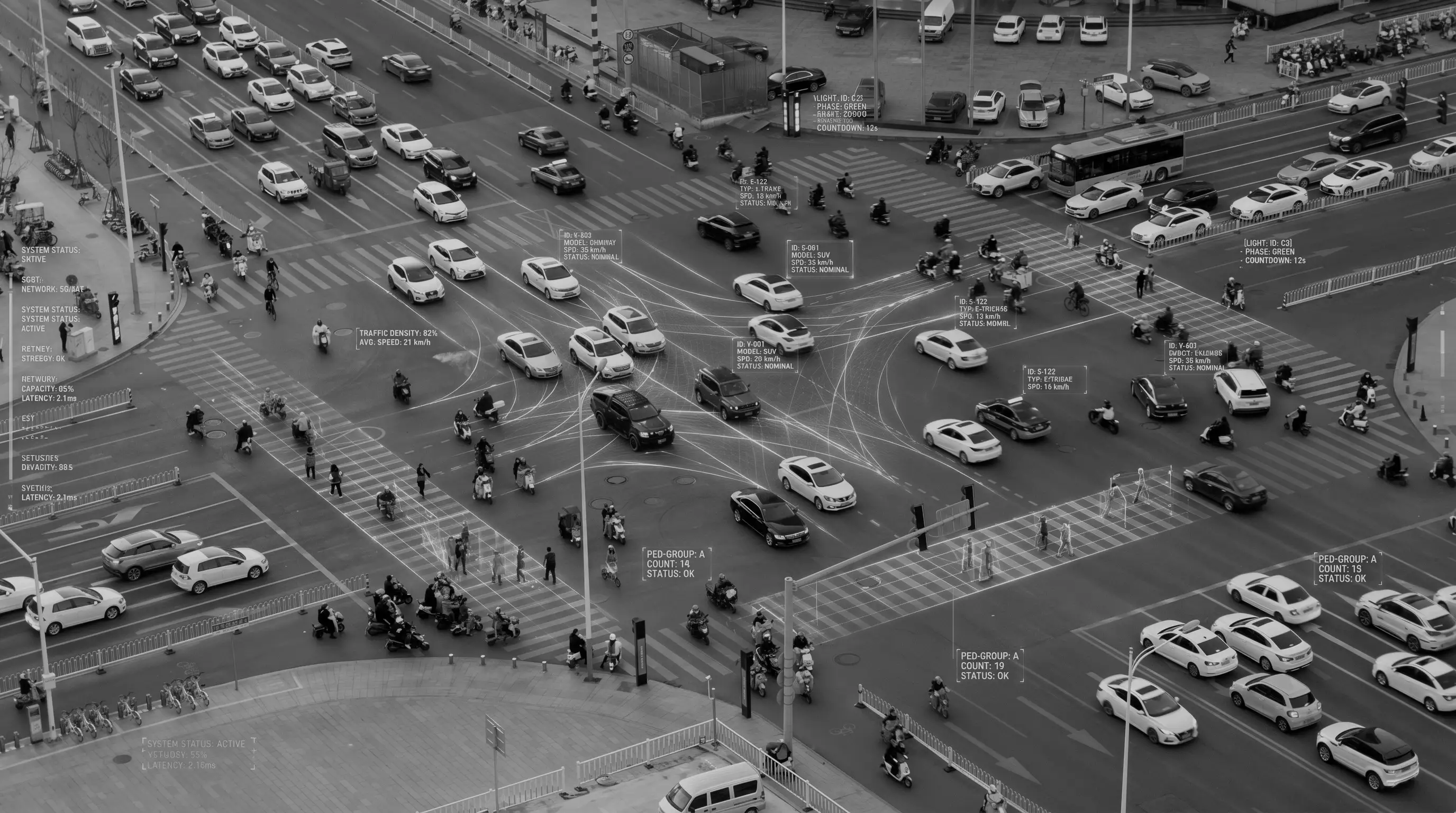
Smart, adaptive traffic management and prioritization systems.
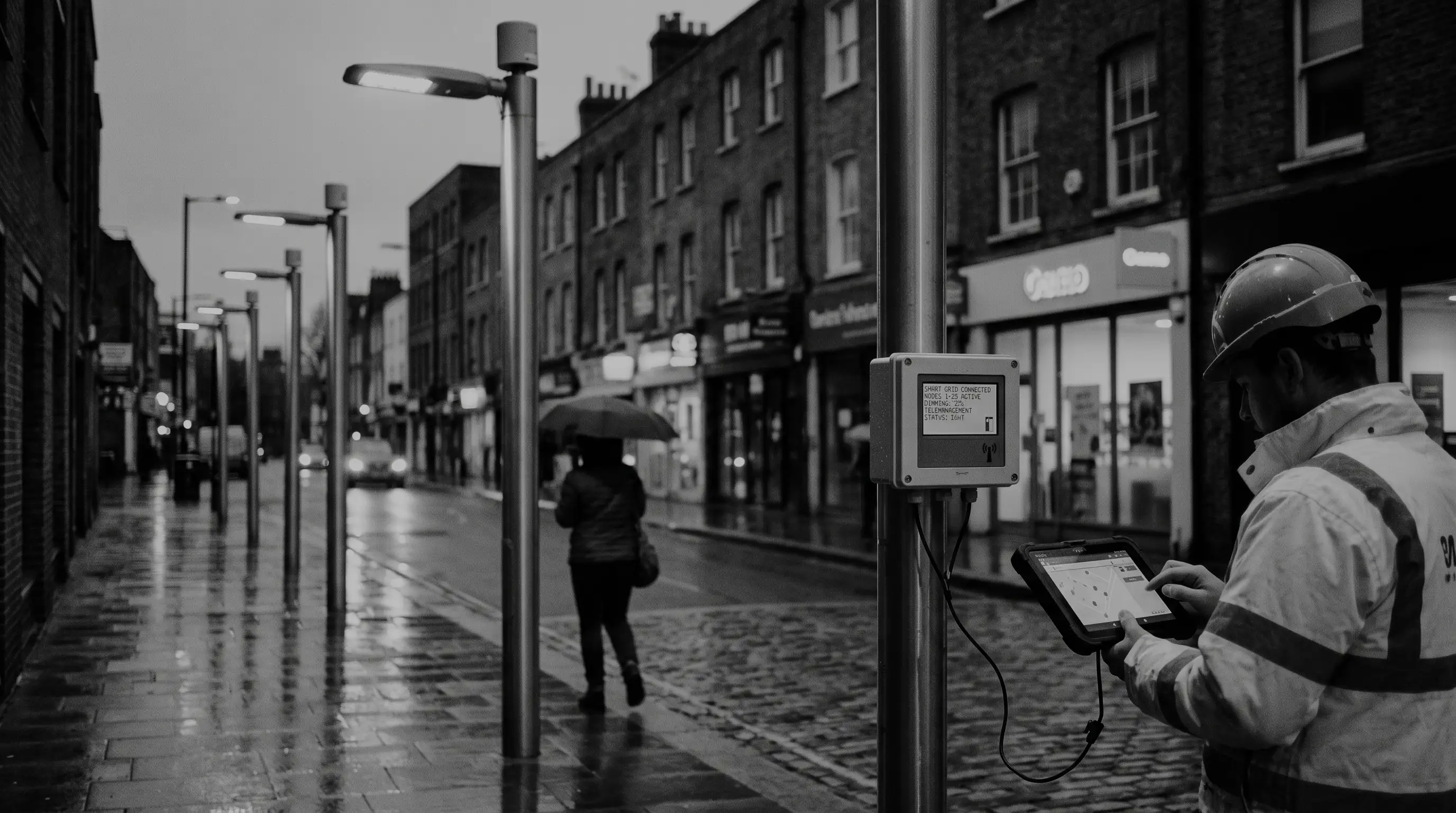
Ecological lighting systems with telemanagement for road infrastructure
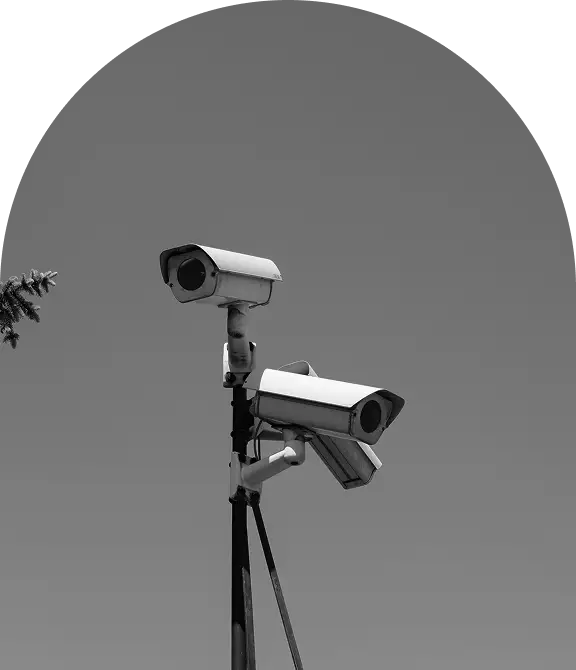
Active intelligent traffic surveillance systems

Digital platforms with artificial intelligence for integrated management of urban and interurban mobility.
Benefits
Accessing European funds.
Project management.
Technical assistance.
Project indicator monitoring.
Reduction of GHG emissions.
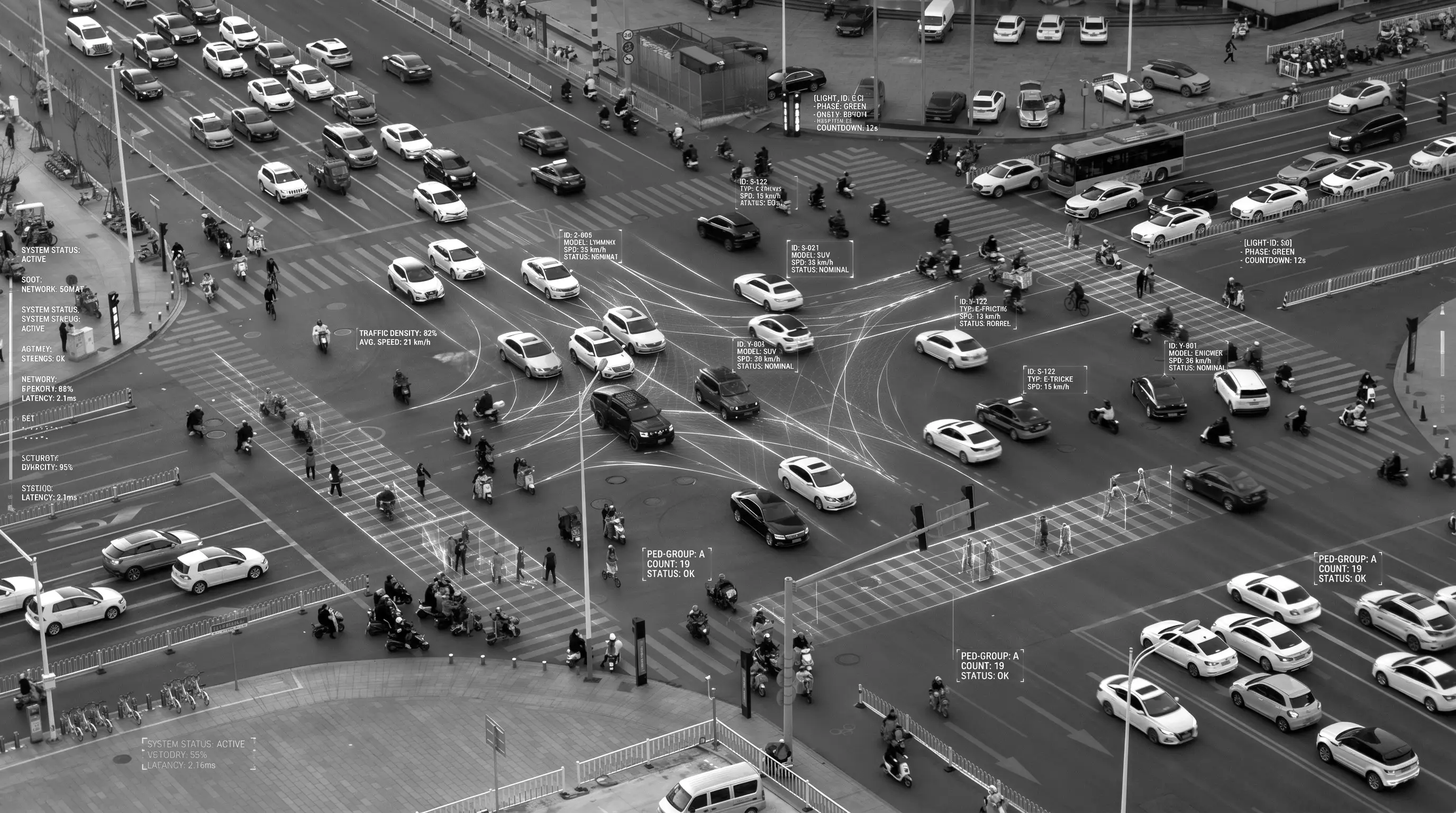
Traffic Management
Integrated traffic management solutions for road - pedestrian - cyclist traffic using active sensors and artificial intelligence to increase performance and reduce pollution in Romanian cities

Adaptive traffic management solutions for smart cities

monitoring
innovative solutions

Traffic Management
Integrated traffic management solutions for road - pedestrian - cyclist traffic using active sensors and artificial intelligence to increase performance and reduce pollution in Romanian cities
Adaptive traffic management solutions for smart cities
monitoring
innovative solutions
The concept of intelligent traffic management and monitoring solution based on innovative solutions, developed by Urban Scope from a technical and economic perspective:
Provides real benefits in increasing the attractiveness of public transport
Migration of a larger number of trips to this means of transport
Reduces travel times and transport costs
Has positive effects on reducing pollution and energy consumption
Traffic decongestion
Improving traffic safety.
An intelligent traffic management and monitoring system based on well-founded innovative solutions, through the functions it will provide, will contribute to reducing these dysfunctions and their impact on environmental quality and citizens' quality of life.
The traffic management system can be built on a modern concept, based on an architecture of traffic monitoring sensors at each intersection and adaptive traffic controllers, centrally controlled, with a common communication support, capable of ensuring the entire data transmission needs between traffic controllers, sensors and the control center.
Benefits
Reducing time spent in traffic and implicitly reducing pollution
Real-time prioritization of public transport and cyclists
Implementation of Ecocity solutions such as Zero Emissions Zone
Implementation of autonomous public transport solutions
Intelligent management and traffic redirection
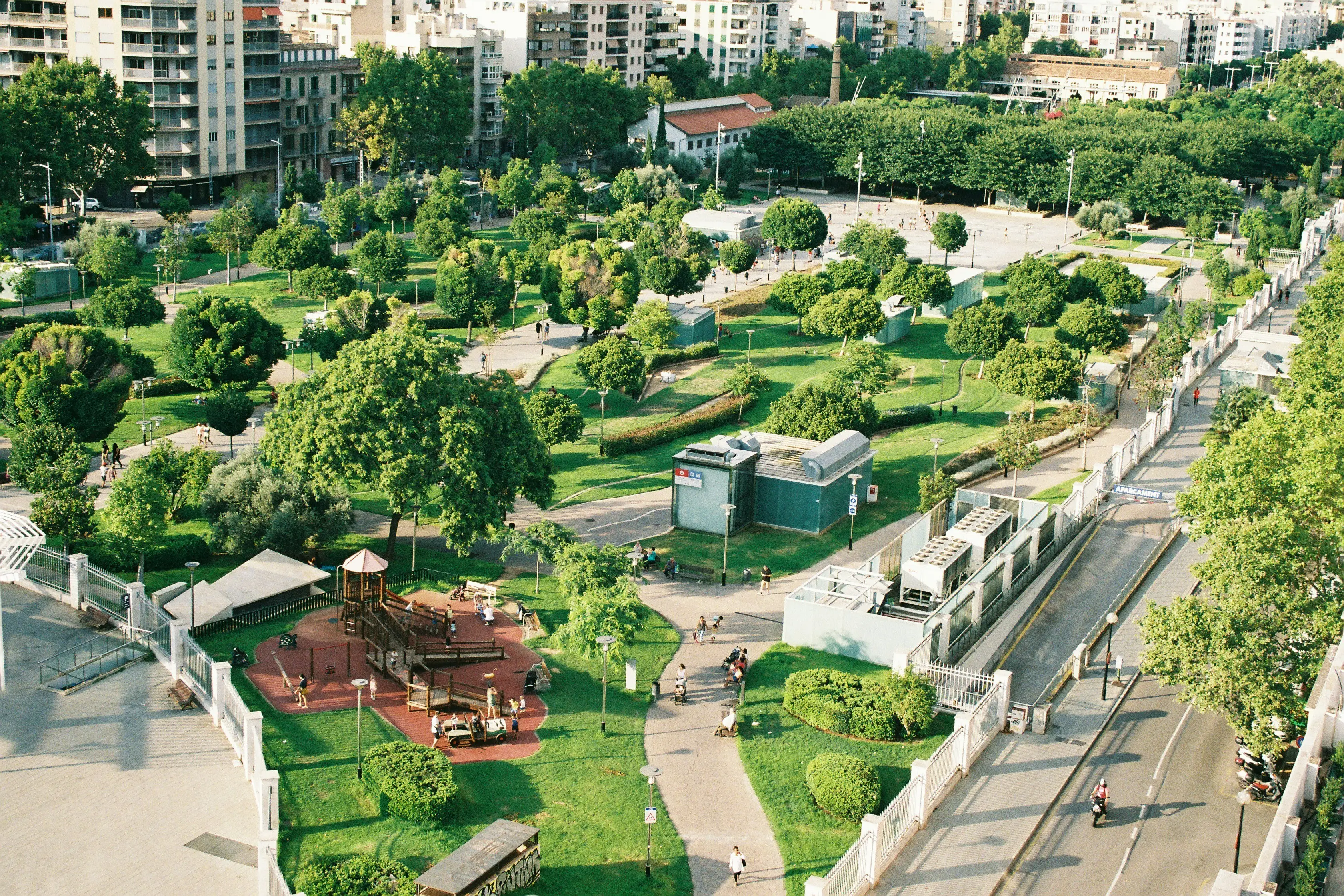
Urban regeneration enhances community mobility
Urban regeneration interventions create the physical context for efficient mobility — pedestrian streets, green corridors, and public spaces connected through transport networks.
Alternative Mobility
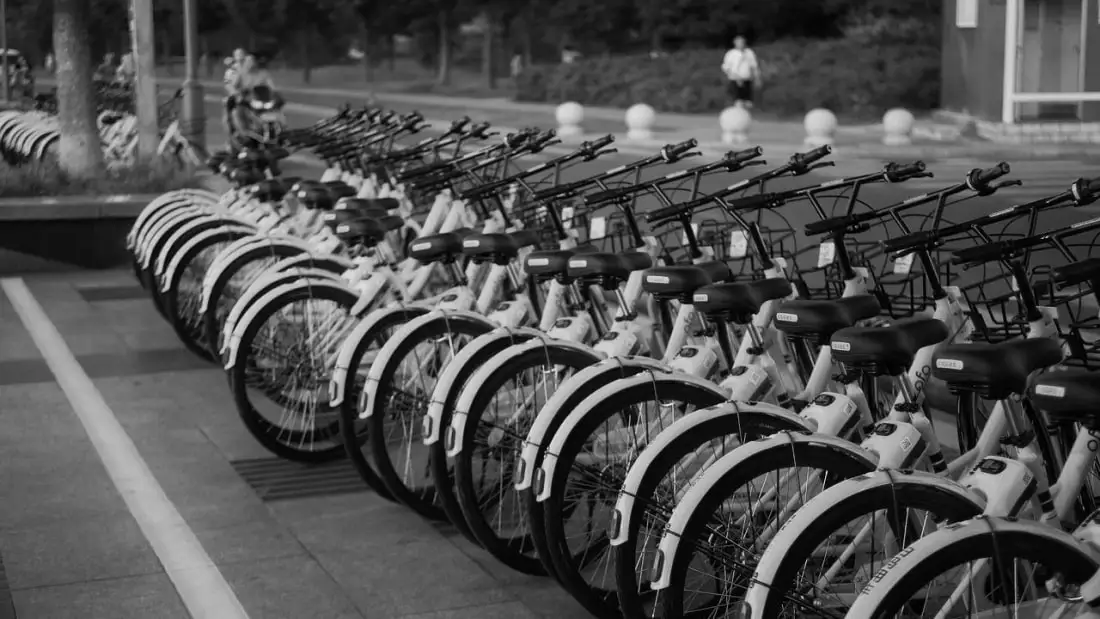
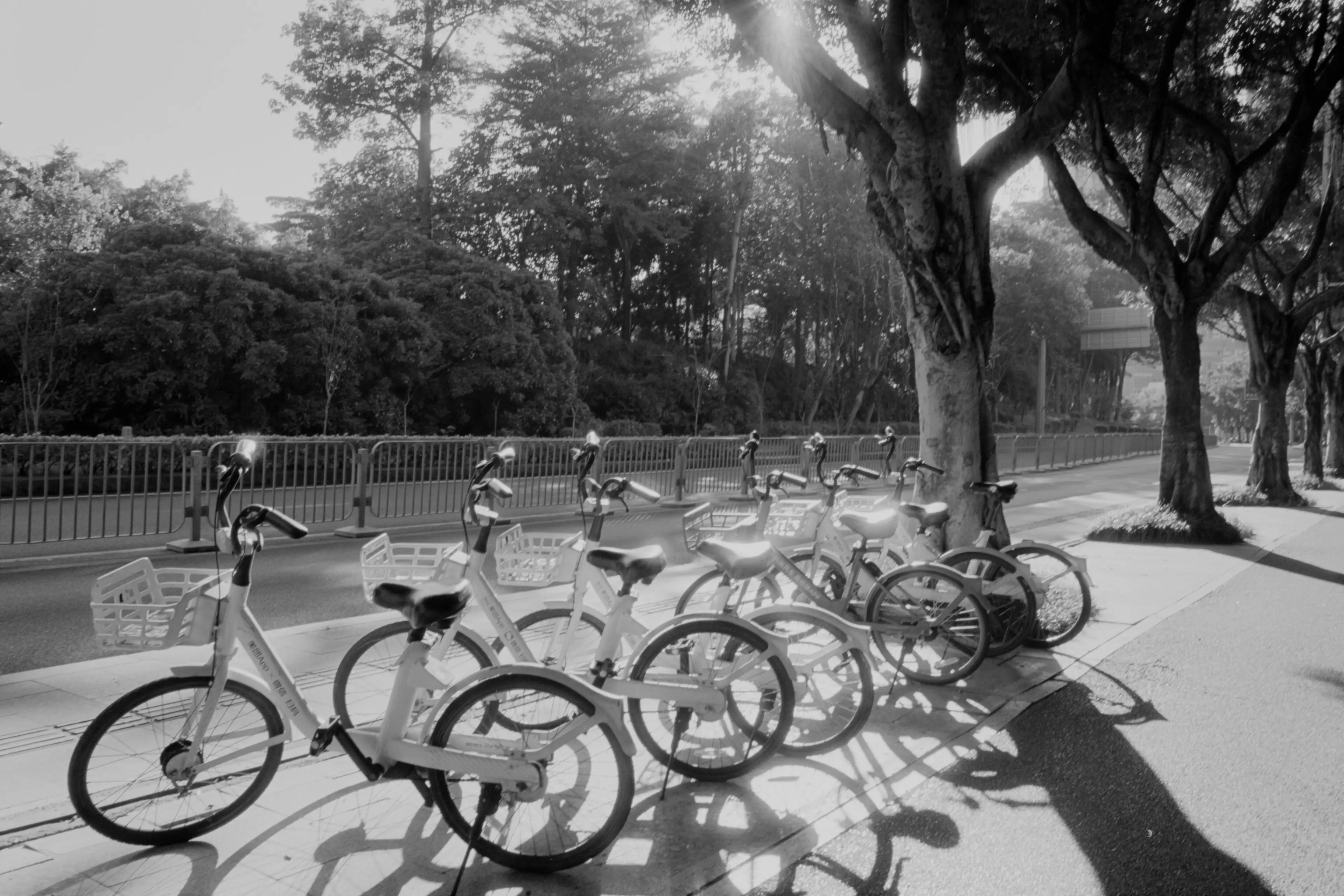
Alternative mobility solutions emerged as a necessity in ensuring people's mobility in efficient conditions. The bike sharing mobility solutions conceptualized by Urban Scope, developed together with our partners from the Netherlands, Germany, USA and France are based on mature technologies, tested and used by citizens of European Union countries, offering the guarantee of implementing high-performance mobility solutions with no environmental impact.
Stages in the Development of the Alternative Mobility Concept
Sustainable urban mobility plans that encourage alternative mobility
Traffic studies for promoting and modeling alternative transport solutions
Design of alternative mobility corridors, including bicycle highways
Design of bicycle lane networks
Design of Bike Sharing systems
Integration of fare systems with the public transport system
Integration for prioritization with the traffic management system
Technical assistance and project management
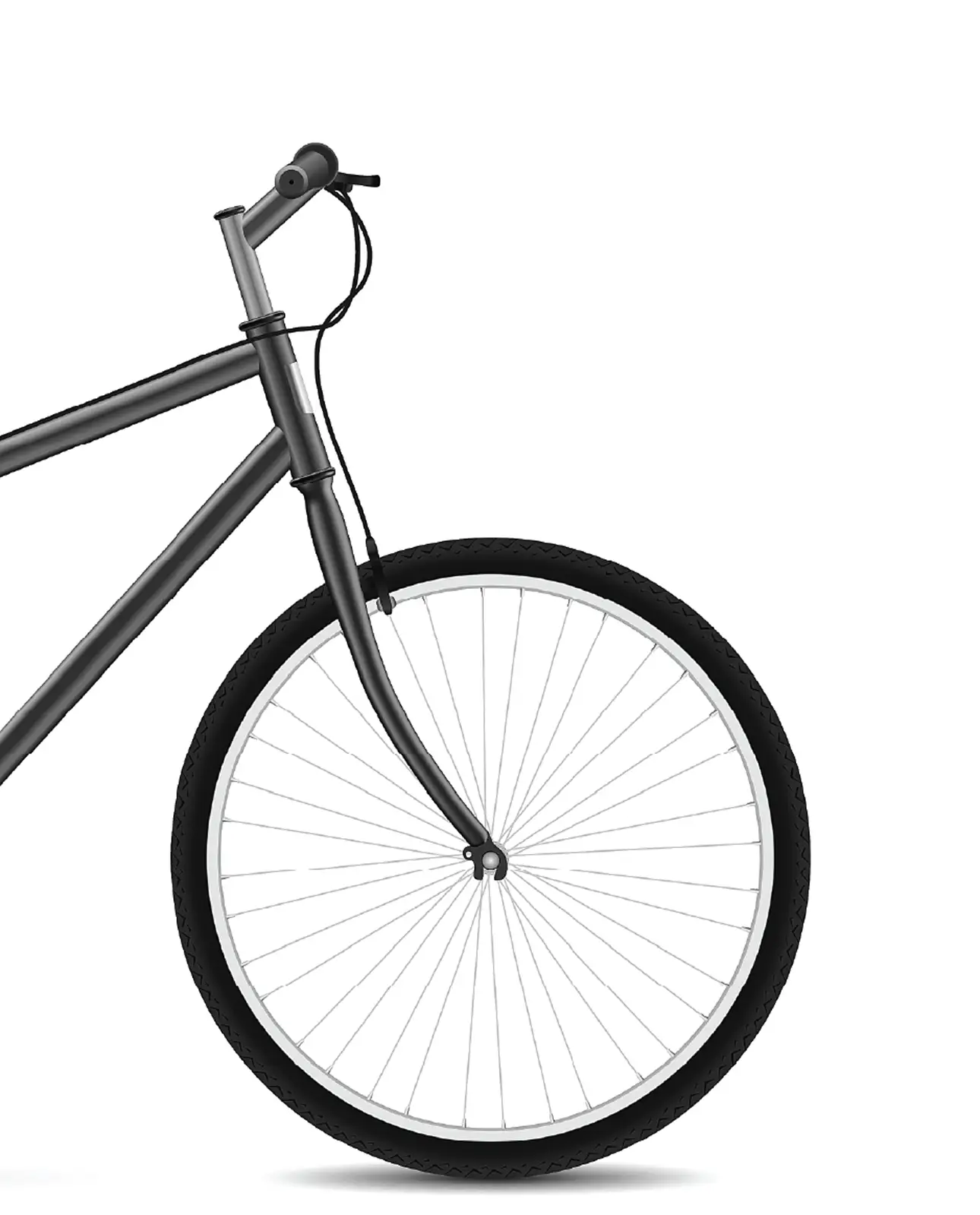
Bicycles can win urban space/streets with the help of European funding
What contributions do they bring to urban space?
Over 70% of EU citizens live in cities that generate 23% of all greenhouse gas emissions from transport. Therefore, it is necessary to take action to reduce emissions and promote less polluting transport. To achieve emission reduction targets in cities, the European Commission considers it necessary to increase support for sustainable transport modes and their use, especially public transport and active mobility, such as walking or cycling, as well as for zero-emission urban transport.
Financing
Increasing urban and interurban mobility are main themes of the European Union. In this context, the implementation of alternative transport networks of bicycle lanes are priorities that can be financed from European funds.
Bicycles can win urban space/streets with the help of European funding
What contributions do they bring to urban space?
Over 70% of EU citizens live in cities that generate 23% of all greenhouse gas emissions from transport. Therefore, it is necessary to take action to reduce emissions and promote less polluting transport. To achieve emission reduction targets in cities, the European Commission considers it necessary to increase support for sustainable transport modes and their use, especially public transport and active mobility, such as walking or cycling, as well as for zero-emission urban transport.
Financing
Increasing urban and interurban mobility are main themes of the European Union. In this context, the implementation of alternative transport networks of bicycle lanes are priorities that can be financed from European funds.
Dedicated and adapted alternative mobility solutions for:
Local public authorities - Municipalities and cities
Public transport operators
Industrial and logistics parks
Office buildings - Bike2Work
Universities - Campus Bike

parking systems
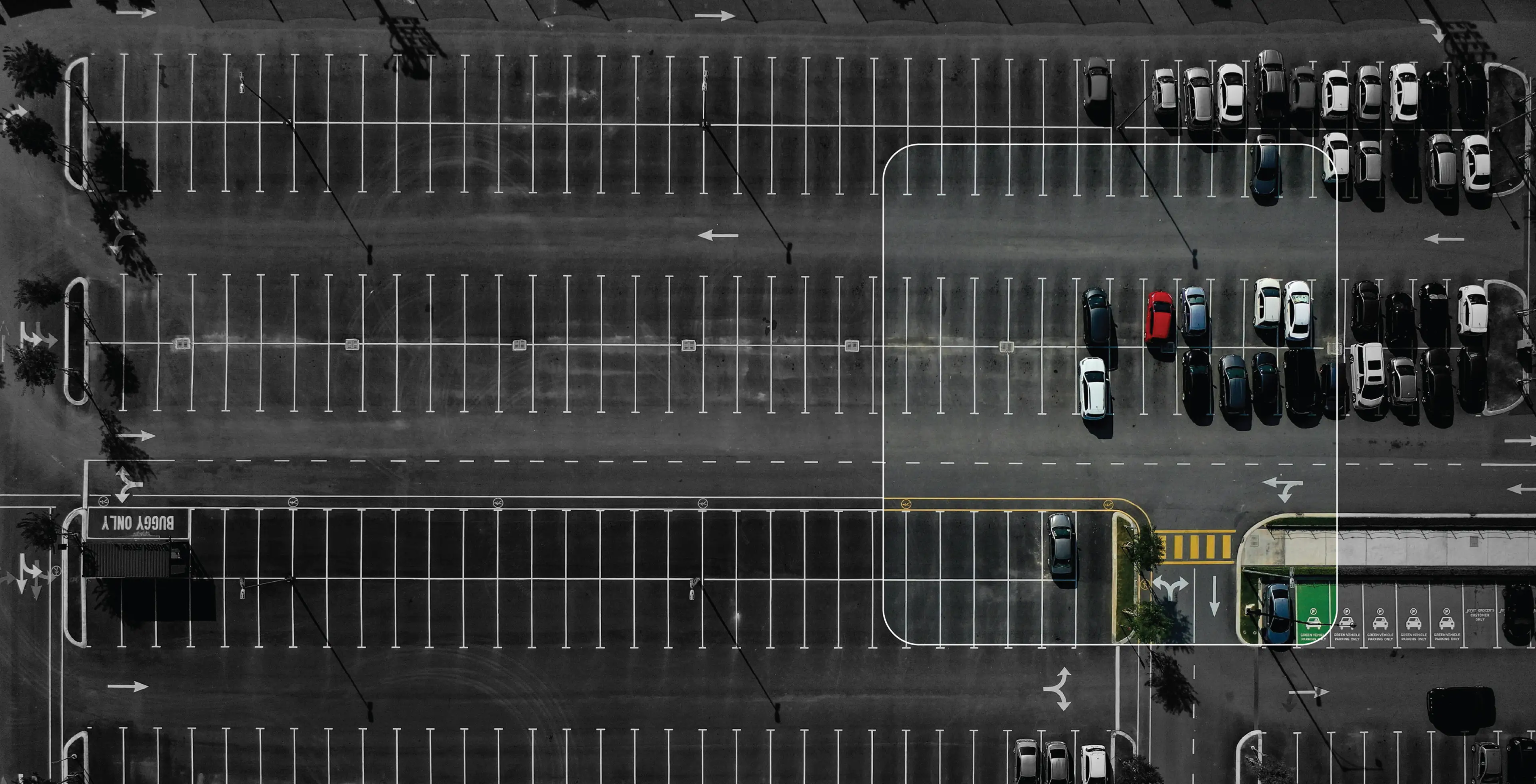
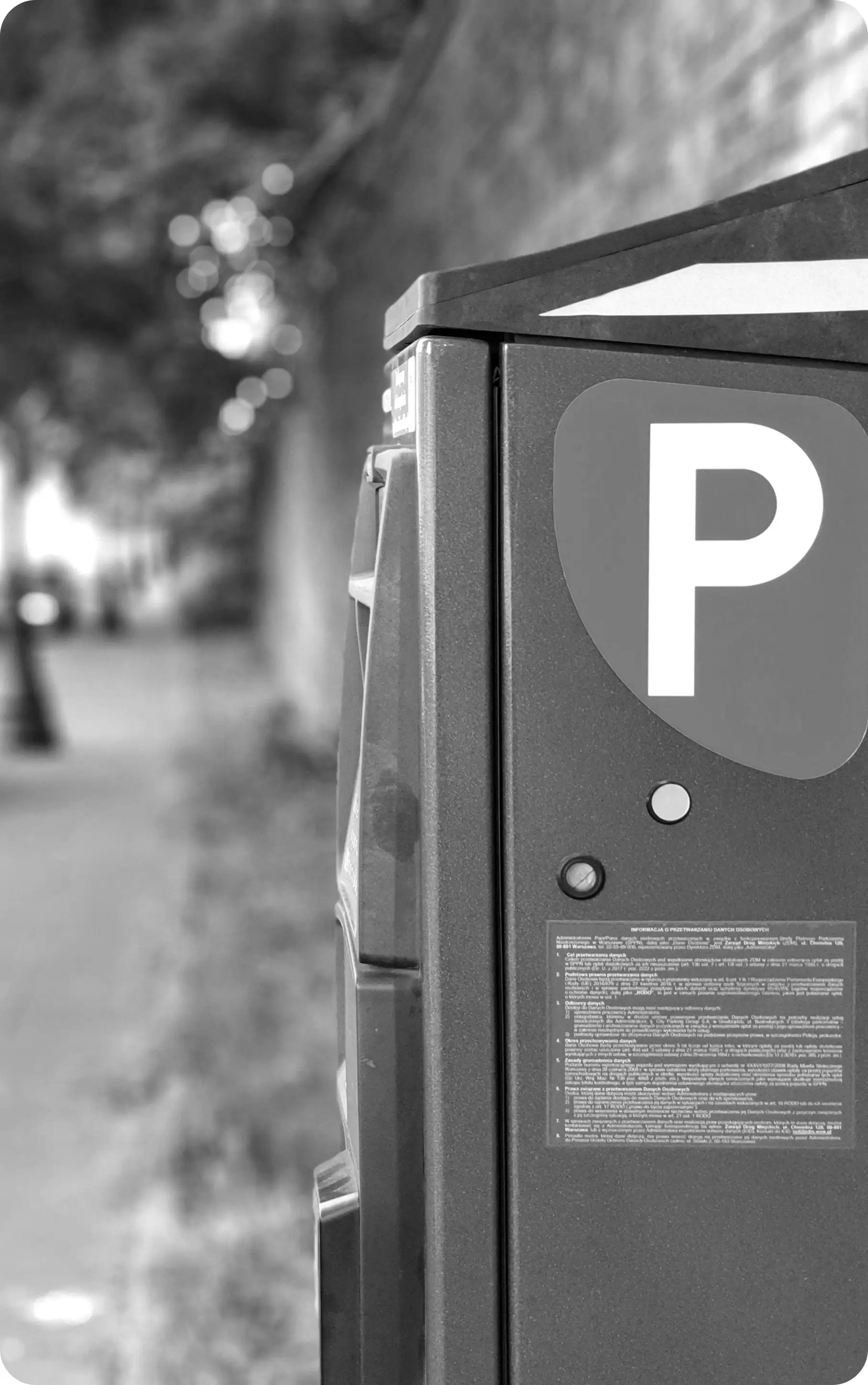
The future of public parking will be based on innovative solutions that manage demand, optimize supply and better serve users' needs with the support of digital technologies and processes.
Using the latest technologies for detection, communications, billing and management, direct benefits can be brought in traffic decongestion and improving quality of life
An integrated system will ensure the monitoring and centralized management of paid public parking spaces, real-time tracking of the occupancy status of these spaces, as well as ensuring and enforcing compliance with regulatory parking rules, through the application of appropriate sanctions.
The integrated monitoring system will represent a useful tool for obtaining statistics on the occupancy rate of paid parking spaces, according to different criteria (hour, day, season, etc.), thereby allowing the efficiency of the system, the establishment of payment rates correlated with demand and differentiated by zones, the application of parking policies that contribute to achieving sustainable urban mobility objectives, estimating the need to supplement existing paid parking spaces, the possibility of rapid intervention and sanctioning of illegal parking in the public domain or without payment of the corresponding fee, in the case of using equipped parking lots.
Pricing Zones
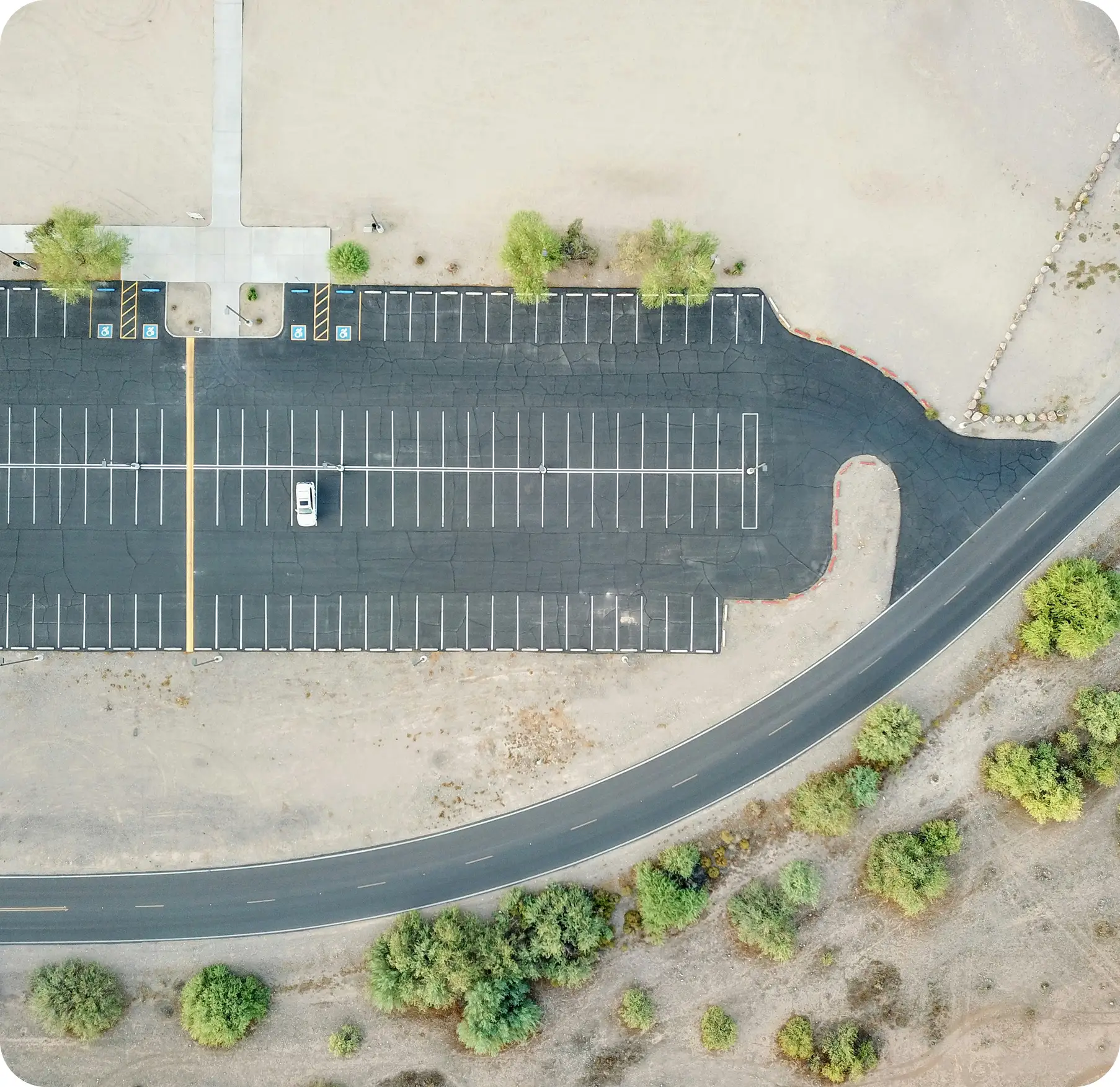
In most cases for public parking pricing, the implementation of differentiated pricing zones has proven necessary. The main benefit of such a system will be the more efficient use of available parking spaces in the central area and in other high-demand areas, through the application of a differentiated rate, progressive according to the parking period, the effect being that of reducing the parking time per vehicle and making the space available for another vehicle.
A more efficient pricing policy for public parking can help solve traffic management problems, increase revenues and achieve other objectives for improving urban mobility.
Zoning

RED ZONE
Parking with progressive pricing, based on parking time

YELLOW ZONE
Parking with fixed rate

GREEN ZONE
Free parking in all other zones where parking is permitted
Sustainable Urban Mobility Plans
We develop Sustainable Urban Mobility Plans (SUMP) that integrate all transport modes to reduce emissions, improve accessibility and enhance quality of life in Romanian cities.
Parking Policy Studies
We develop parking policy studies with differentiated pricing zones, demand analysis and smart management solutions that optimize the use of public parking spaces.
Operational Management of Parking Spaces
We design integrated parking management systems with real-time monitoring, digital billing and occupancy analytics for efficient parking space management.
Smart solutions:
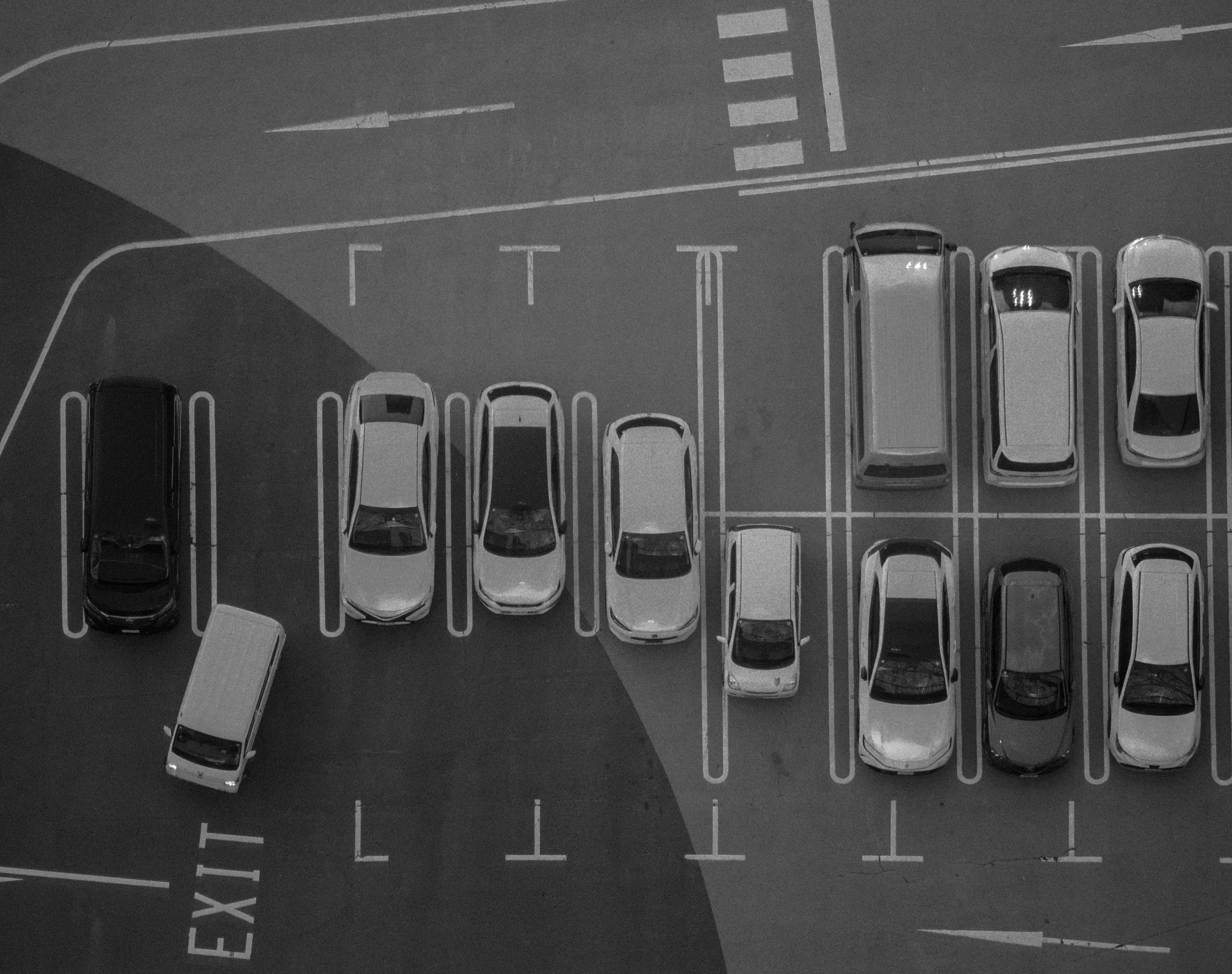
Parking Space Systematization Solutions
Underground or above-ground parking
Modular parking on light structures
Ecological parking, energy independent
Modular bicycle parking
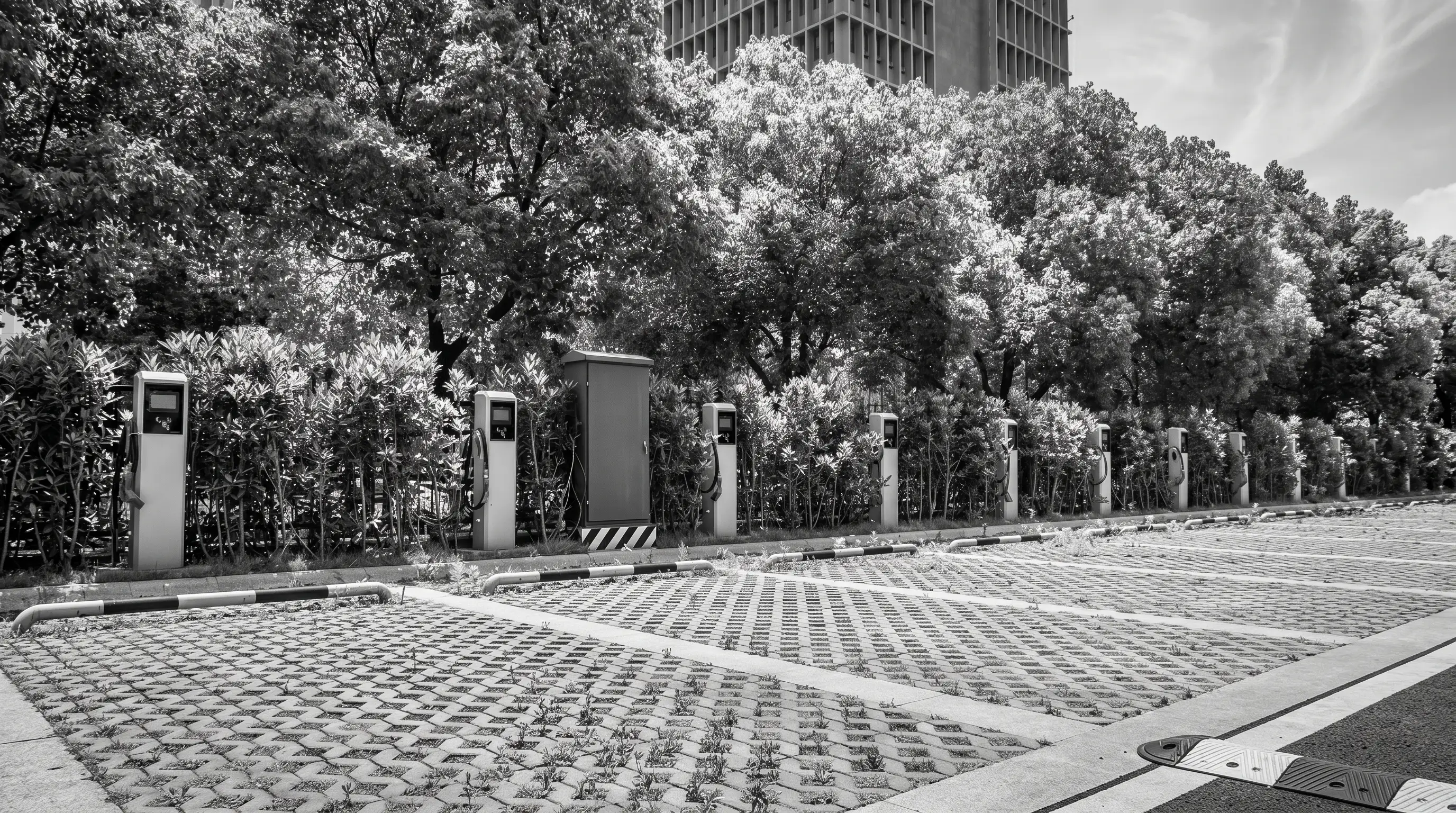

Energy efficiency supports intelligent mobility
Public lighting systems, energy-efficient buildings, and green infrastructure are the essential complements of a sustainable and integrated mobility system.
Benefits
Optimization of public space utilization and parking space usage
Improvement of zonal traffic through the implementation of intelligent parking policies
Reduction of time spent searching for a parking space
Real-time management of pricing policies
Improving quality of life