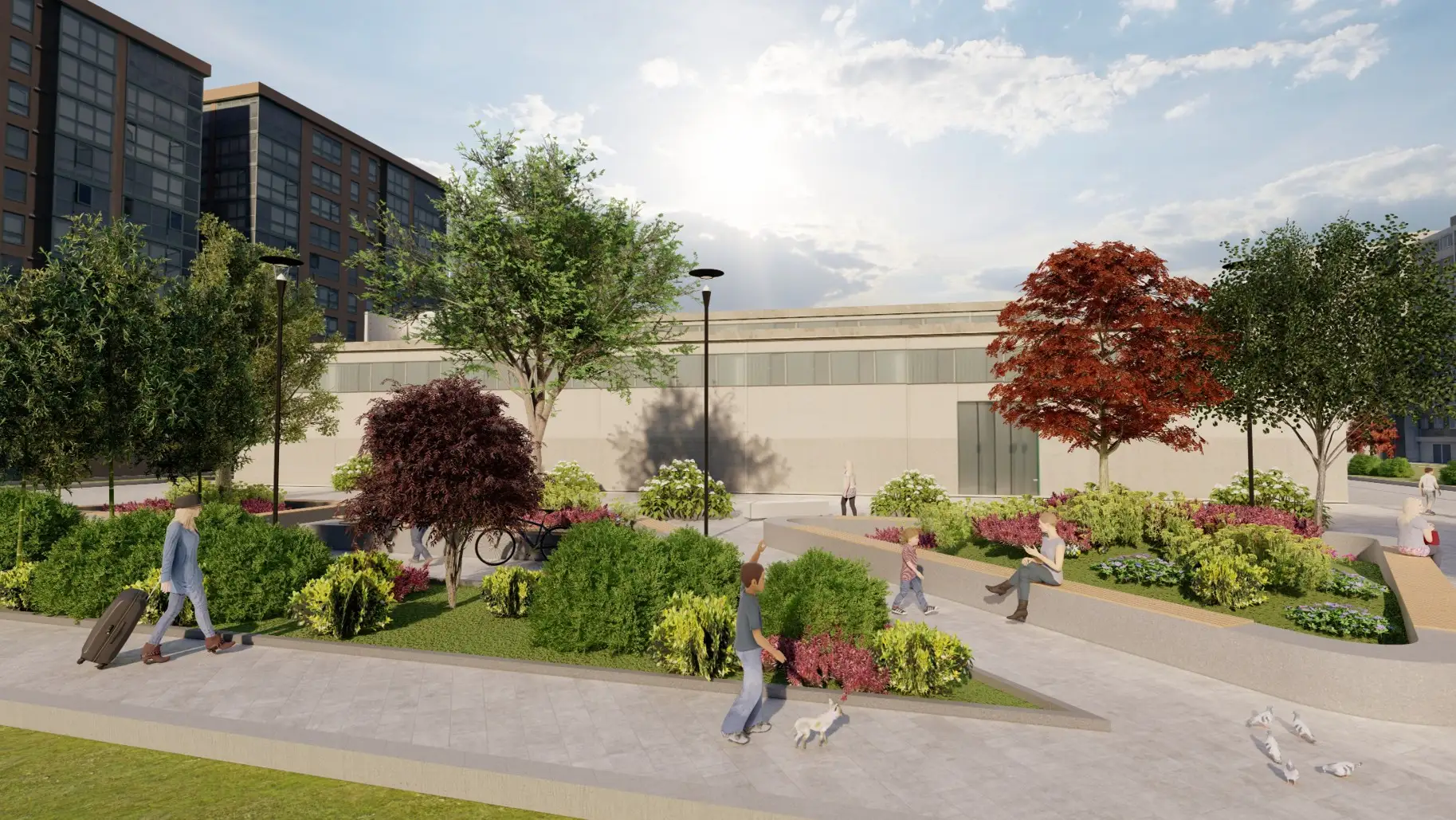
Urban Regeneration of Unirii Sud Zone, Buzau
Integrated urban regeneration of the Unirii Sud district in Buzau, encompassing road infrastructure rehabilitation, green space development, and public utility modernisation.
Year
2022
Location
Buzau Municipality, Buzau County
Area
45,000 sqm
Category
Urban Regeneration
Urban Diagnosis and Intervention Rationale
The Unirii Sud zone in Buzau Municipality constitutes one of the city's most significant urban nodes, concentrating residential, commercial, and institutional functions of primary importance. The urban analysis conducted during the project substantiation phase revealed advanced deterioration of technical and utility infrastructure, significant deficiencies in the organisation of pedestrian and vehicular circulation, and the absence of coherent green spaces.
The feasibility study identified the necessity for an integrated intervention across an area of approximately 45,000 sqm, simultaneously addressing road infrastructure, utility networks, public spaces, and urban mobility. The total investment value amounts to 186 million RON, reflecting the complexity and scale of the intervention.
Technical documentation was developed in three successive phases: D.A.L.I. (Intervention Works Approval Documentation), D.T.A.C. (Technical Documentation for Building Permit), and P.T. (Detailed Technical Project for execution).
Infrastructure and Mobility Solutions
The road infrastructure component included the complete rehabilitation of the carriageway over a length of 2.8 km, modernisation of 14 intersections, including 3 smart signalised intersections with adaptive traffic detection, and the integral reconstruction of pavements with tactile paving for visually impaired persons.
The utility network was entirely replaced, encompassing potable water pipes, separated domestic and stormwater sewerage, as well as natural gas and telecommunications networks. The stormwater sewerage system was dimensioned for meteorological events with a 50-year return period, incorporating underground retention basins.
Parking was reorganised through a system of ecological car parks with permeable paving, reducing the impermeable asphalt surface by 35% compared to the existing situation.
Green Spaces and Landscape Design
The project allocated 30% of the total intervention area to green spaces and landscape architecture. Over 200 trees of native species adapted to local climatic conditions were planted, selected for their capacity to absorb atmospheric pollutants and drought resistance.
The automated irrigation system, partially supplied by rainwater collected and stored in underground reservoirs, ensures the long-term sustainable maintenance of green spaces. Rest areas were furnished with urban furniture made from recycled materials, integrating photovoltaic panels for ambient lighting.
The linear park along the main boulevard edge connects the three redesigned public squares, creating a continuous ecological corridor of over 1.2 km.
Financing and Implementation
The project benefited from European non-reimbursable funding, being one of the largest urban regeneration projects implemented in the South-East region during the 2014-2020 programming period. Project management included coordination of 5 simultaneous works contracts, with a 24-month execution schedule.
Post-implementation monitoring, conducted through performance indicators established in the funding application, confirms the achievement of objectives regarding infrastructure quality, accessibility, and public space utilisation rates.
Gallery
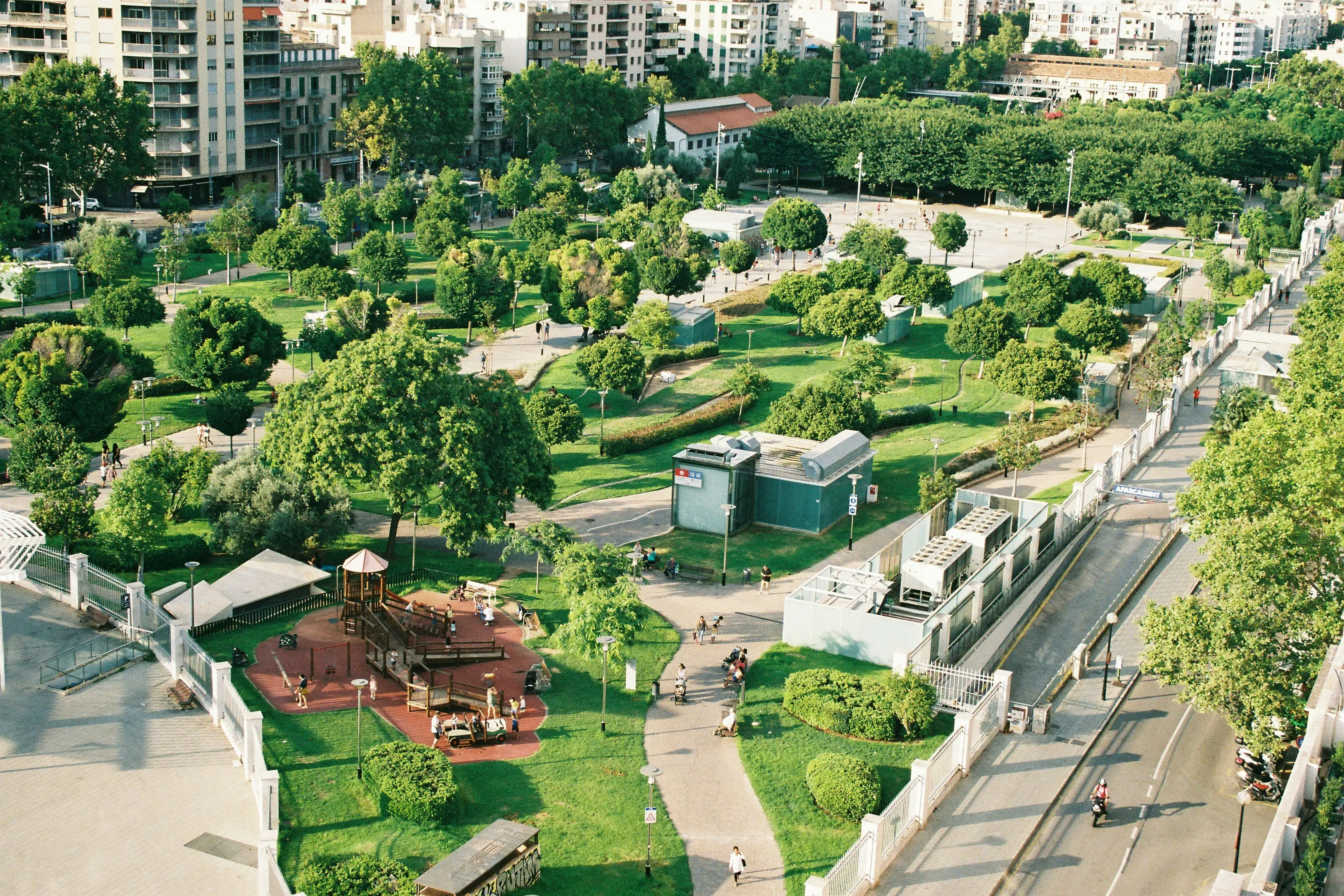
Discover how our Urban Regeneration services made this project possible
This project demonstrates our team's expertise in delivering integrated solutions. Explore the full range of services or discuss a similar project with our team.